
TRADEMARK CANCELLATION
Challenge Registrations That Should Not Remain on the Register.
Where an existing trademark registration conflicts with earlier rights, is vulnerable to cancellation or presents an unjustified obstacle to your brand, we assess the available grounds and determine the appropriate course of action.
WHEN AN EXISTING REGISTRATION BECOMES AN OBSTACLE
A Registration on the Register Can Restrict More Than Registration.
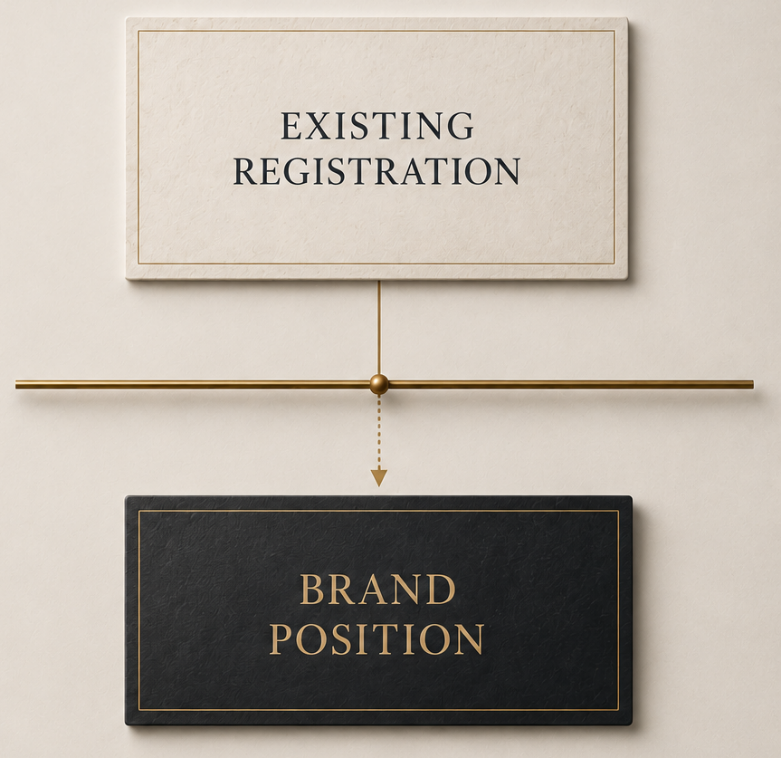
An earlier trademark registration can create obstacles to filing, expansion and enforcement, even where its continued protection may be open to challenge. Where a registration conflicts with earlier rights, is vulnerable for non-use or may otherwise lack a proper basis to remain protected, cancellation can provide a mechanism for challenging the registration and removing an obstacle to the brand’s protection or expansion.
The question is not simply whether a registration exists. It is whether it should continue to stand in the way.
WHEN CANCELLATION MAY BE AVAILABLE
Different Defects. Different Grounds for Challenge.
A trademark registration is not necessarily beyond challenge simply because it has been granted. Depending on the jurisdiction and circumstances, its validity or continued protection may be open to question on different grounds.
01
EARLIER RIGHTS
The Registration Conflicts with Earlier Rights
02
NON-USE
The Mark Is Not Being Used
03
BAD FAITH
The Registration Was Obtained in Bad Faith
04
REGISTRATION DEFECTS
The Mark Did Not Meet the Requirements for Registration
The ground determines the case. The evidence determines its strength
ASSESSING THE CASE
A Ground for Cancellation Is Only the Beginning.
01
STRENGTH OF THE GROUNDS
Is There a Proper Basis to Challenge?
02
QUALITY OF THE EVIDENCE
Can the Ground Be Proven?
03
POSITION OF THE REGISTERED MARK
How Vulnerable Is the Registration?
04
COMMERCIAL SIGNIFICANCE
What Does Cancellation Need to Achieve?
WHEN THE CASE SUPPORTS ACTION
From Challenge to Resolution.
Once there is a credible basis for cancellation, the matter moves from assessment into formal action. The procedure, evidence and burden of proof will vary by jurisdiction and by the grounds relied upon.
We manage the proceedings with a clear objective: to establish why the registration should no longer retain its existing protection.
for Cancellation
Identify the registration to be challenged, determine the appropriate grounds and define whether cancellation is sought against all or part of the registration.
Evidence
Assemble the documents, use history, earlier rights and other evidence required to substantiate the grounds relied upon.
the Challenge
Prepare and file the cancellation action within the applicable procedural framework, and manage submissions, evidence and responses as the matter progresses.
Limitation
or Resolution
Advance the matter toward cancellation or limitation of the registration, while considering negotiated resolution where it can achieve the required commercial result.
Cancellation is not simply about removing a registration. It is about removing the obstacle it creates.
POTENTIAL OUTCOMES
What Cancellation Can Change.
01
Full Cancellation
The registration may be removed in its entirety where the grounds for cancellation affect the mark as a whole.
02
Partial Cancellation
03
Registration Maintained
BEYOND THE PROCEEDINGS
Cancellation Is a Remedy. The Decision to Pursue It Is Strategic.
01
Strength of the Grounds
02
Quality of the Evidence
03
Commercial Significance
04
Wider Portfolio Impact
STRATEGIC CANCELLATION ADVISORY
Built Around the Case. Aligned With the Commercial Objective.
01
Case Strategy
02
Evidence Development
Build and organise the evidential record around the grounds being pursued.
03
Procedural Management
04
Resolution Strategy
CROSS-BORDER CANCELLATION
One Brand. Different Registries. A Coordinated Approach.
Local Procedure
Cancellation proceedings are pursued in accordance with the particular grounds, procedures and evidentiary requirements of the relevant jurisdiction.
Coordinated Strategy
Where conflicting registrations exist across multiple markets, actions can be considered together to maintain consistency in the wider brand strategy.
Portfolio Perspective
Each cancellation should be assessed in the context of existing registrations, pending applications and the markets in which the brand operates or intends to expand.

Frequently Asked, Clearly Answered
What is trademark cancellation?
Trademark cancellation is a formal procedure used to challenge the validity or continued protection of an existing trademark registration.
Depending on the jurisdiction and the grounds available, cancellation may result in the registration being removed entirely or restricted in relation to particular goods or services.
What are the grounds for cancelling a registered trademark?
The grounds for trademark cancellation vary between jurisdictions and depend on the circumstances surrounding the registration.
Potential grounds may include non-use, earlier rights, bad faith, lack of distinctiveness, descriptiveness, misleading characteristics, or circumstances indicating that the trademark should not have been registered or should no longer remain protected.
The appropriate grounds should be assessed carefully before cancellation proceedings are commenced.
Can a trademark registration be cancelled for non-use?
Yes. In many jurisdictions, a registered trademark may become vulnerable to cancellation for non-use once the applicable statutory period has expired.
The precise period, requirements and exceptions differ between jurisdictions. Questions may also arise as to whether the use relied upon by the trademark owner constitutes genuine use for the relevant goods or services.
A non-use cancellation action therefore requires careful consideration of both the registration and the evidence of use.
What is the difference between trademark cancellation and trademark opposition?
A trademark opposition generally challenges an application before it proceeds to registration or during the applicable opposition period.
Trademark cancellation, by contrast, is generally directed against a trademark that has already been registered.
The available grounds, procedures, evidence and deadlines may therefore differ substantially. Determining the correct procedure is an important first step when challenging conflicting trademark rights.
What is the difference between trademark cancellation and trademark invalidation?
The terminology varies between jurisdictions.
In some trademark systems, invalidation is used where the argument is that a trademark should not have been registered in the first place, while revocation or cancellation may concern circumstances arising after registration, such as prolonged non-use.
Other jurisdictions use “cancellation” more broadly to describe proceedings seeking removal of a registered trademark.
The substance of the available grounds is therefore more important than the terminology alone.
What evidence is required to cancel a trademark registration?
The evidence required in trademark cancellation proceedings depends upon the grounds being pursued.
Relevant material may include trademark registry records, evidence of earlier rights, marketplace evidence, advertising and promotional material, sales information, corporate or commercial records, evidence concerning use or non-use, and documents relating to the circumstances in which the challenged trademark was adopted or registered.
The evidentiary strategy should be developed around the particular legal ground rather than assembled in isolation.
Can only part of a trademark registration be cancelled?
Yes. Trademark cancellation does not necessarily result in the removal of an entire registration.
Where the grounds affect only particular goods or services, it may be possible for the registration to be partially cancelled or restricted, while protection remains in force for other goods or services.
The potential scope of cancellation should therefore be considered when defining the objective of the proceedings.
Who can apply to cancel a registered trademark?
This depends on the law and procedure of the relevant jurisdiction.
Certain cancellation grounds may be available broadly, while others may require the applicant to establish an earlier right, legitimate interest or another recognised basis for bringing the action.
Before proceedings are commenced, standing to challenge the registration should be considered alongside the substantive grounds for cancellation.
How long do trademark cancellation proceedings take?
There is no universal timeframe for trademark cancellation proceedings.
The duration will depend on the jurisdiction, complexity of the grounds, evidence required, procedural timetable, response of the trademark owner and whether the matter proceeds through hearings, review or appeal.
For cross-border disputes, different cancellation proceedings concerning the same or related trademarks may also progress according to different procedural timelines.
Can trademark cancellation proceedings be settled?
Yes. A cancellation proceeding does not necessarily have to continue to a final determination.
Depending on the commercial circumstances, the parties may consider limitations to the specification, voluntary surrender, withdrawal, coexistence arrangements, undertakings or other negotiated solutions.
Any settlement should be considered against the wider trademark portfolio and the commercial position the cancellation action is intended to protect.
Can a trademark owner defend against a cancellation action?
Yes. The registered proprietor will generally have an opportunity to respond to the cancellation action and defend the registration in accordance with the applicable procedure.
The defence may involve challenging the legal grounds, producing evidence of trademark use, relying on earlier rights or circumstances supporting the validity and continued protection of the registration.
For that reason, the likely response of the trademark owner should form part of the assessment before proceedings are commenced.
Can trademark cancellation be pursued across multiple countries?
Yes, but trademark rights are territorial and the procedure for cancelling a registration will generally be governed by the law and trademark system of the jurisdiction concerned.
Where conflicting registrations exist across several markets, individual actions may therefore be required before different trademark offices or authorities.
A coordinated international trademark cancellation strategy can help align those proceedings with the wider protection, enforcement and commercial objectives of the brand.
Some Registrations Should Be Challenged. The First Step Is Knowing Which Ones.
Where an existing trademark registration conflicts with your earlier rights, restricts your commercial plans or may no longer be entitled to remain protected, the strength of the position should be assessed before action is taken.